


Delivering Overdose Safety Education

Did You know
In 2024, 2,499 Tennesseans died from a fatal drug overdose, a 31% decrease from the previous year. The decrease in Tennessee aligns with national trends showing an overall reduction in fatal drug overdoses between 2023 and 2024 for most states.

The rate of drug overdose deaths in Tennessee remains higher than the national death rate (35.2 per 100,000 vs 23.1 per 100,000). Tennessee has the 8th highest overdose rate in the nation.
In 2024, 69.4% of deaths had more than one substance listed as a cause of death.
Fentanyl deaths decreased 40% between 2023 and 2024. Fentanyl was involved in every two out of three deaths in 2024.


There are several common misconceptions about overdose prevention that relate to student health and safety.
Myths Versus Facts
-
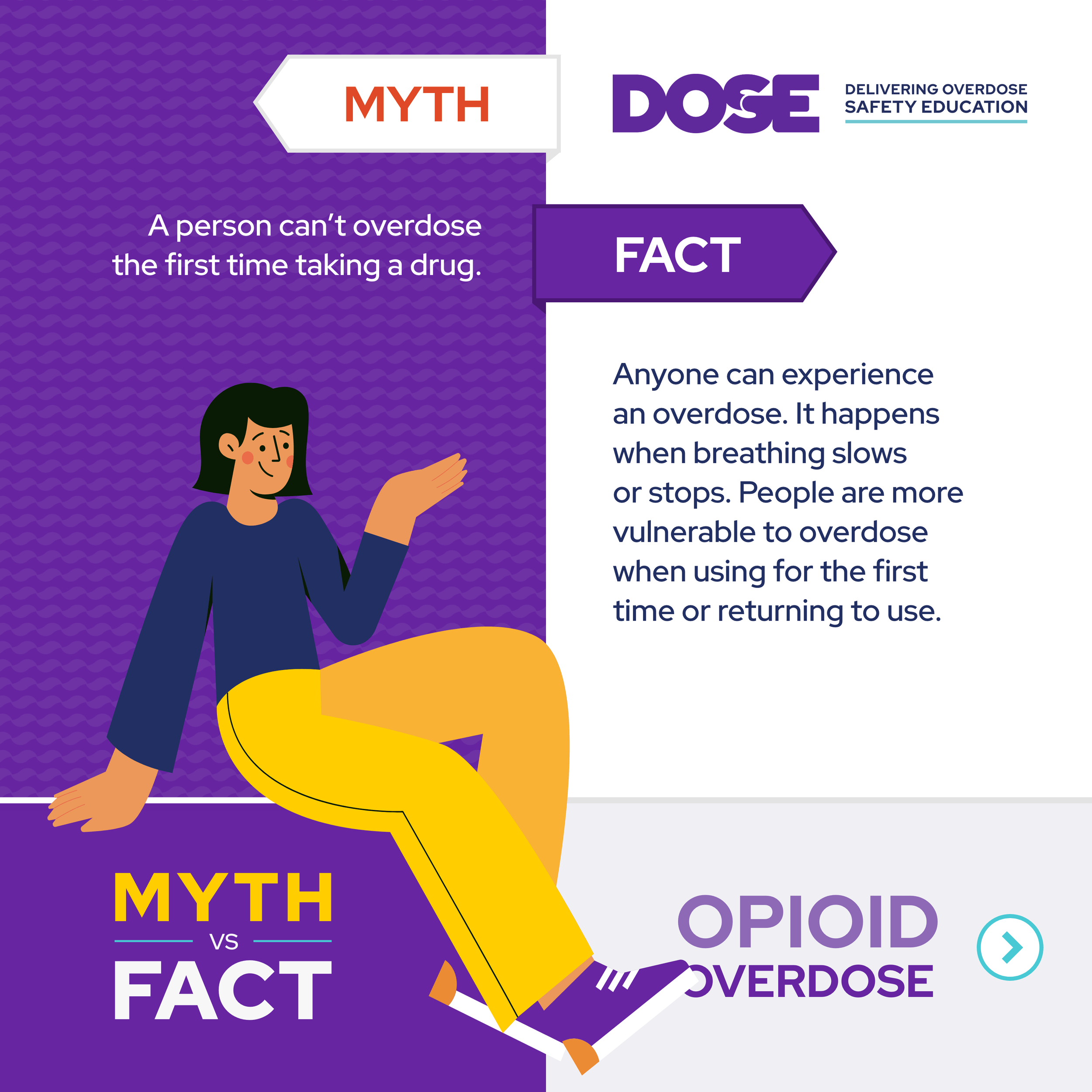
A person can’t overdose the first time taking a drug.
Fact
Anyone can experience an overdose. It happens when breathing slows or stops. People are more vulnerable to overdose when using for the first time or returning to use.
-
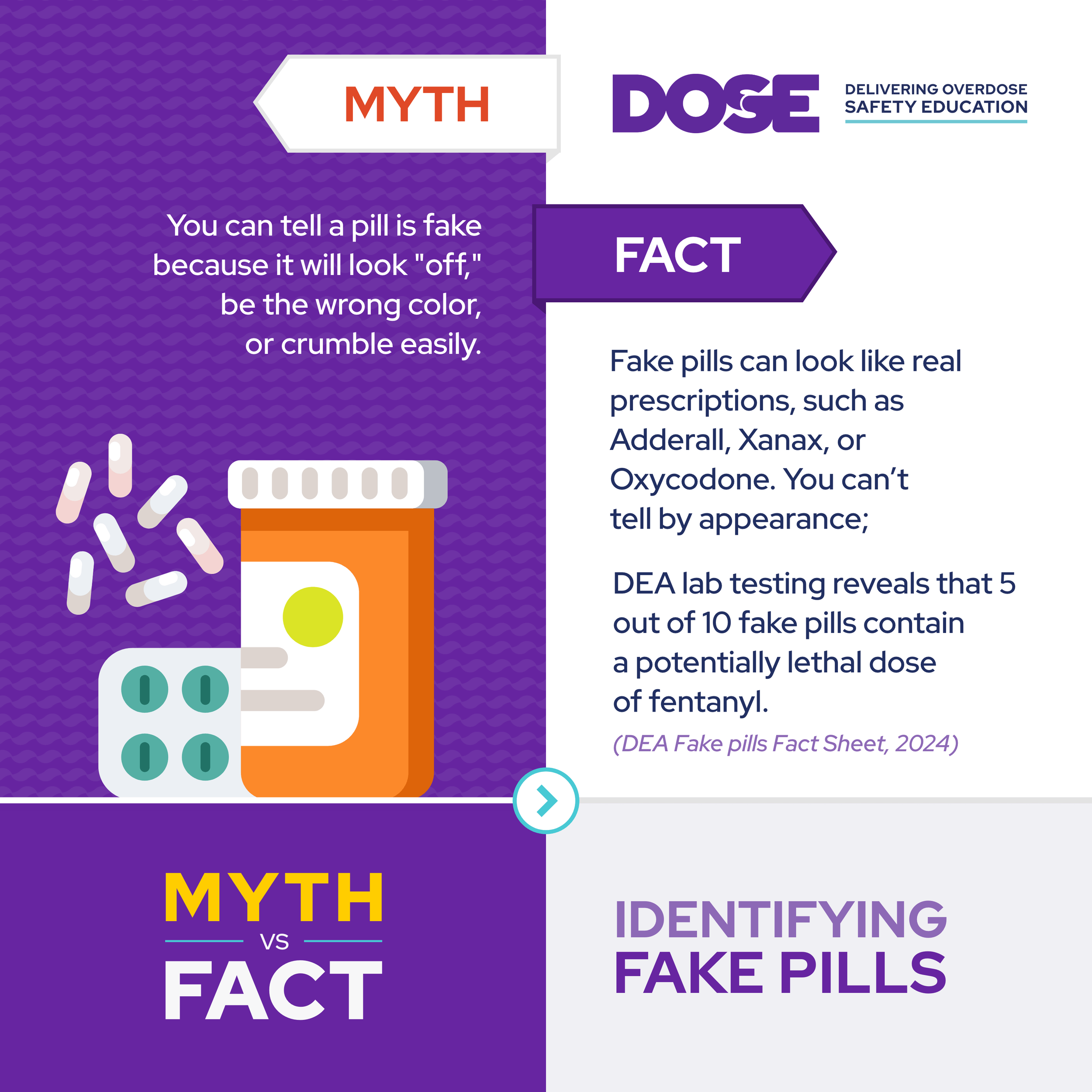
You can tell a pill is fake because it will look "off," be the wrong color, or crumble easily.
Fact
Fake pills can look like real prescriptions, such as Adderall, Xanax, or Oxycodone. You can’t tell by appearance; DEA lab testing reveals that 5 out of 10 fake pills contain a potentially lethal dose of fentanyl.
-
You shouldn’t give naloxone to someone if you aren’t certain they are overdosing on opioids.
Fact
Naloxone won’t effect someone who isn’t experiencing an opioid overdose. It’s safe to receive even if you don’t have opioids in your system.
-
If I call 911 because a friend is overdosing, we will both get arrested for the drugs at the scene.
Fact
TN GOOD SAMARITAN LAW: Don’t hesitate to call 911. If you seek medical help for an overdose in good faith, this law can protect you and the victim from arrest, charge, or prosecution for simple drug possession or paraphernalia. In Tennessee, saving a life is the legal priority.
Opioids
Opioids depress the central nervous and respiratory systems, which can dangerously slow or stop automatic functions. It can slow breathing, stop coughing, and reduce feelings of pain.
-
Hydrocodone
Oxycodone
Oxymorphone
Morphine
Codeine
Fentanyl
-
Heroin
Fentanyl
*Fentanyl can be found in pills, powders, and crystals, even when you might not expect it.
Overdose
An overdose is a serious emergency that can slow or stop breathing, especially when drugs are mixed or when someone has a low tolerance, meaning their body is not used to the substance.
Look for unresponsiveness, pinpoint pupils, slow breathing, or if their skin is turning blue, gray, or purple, or feels cold. Call for help immediately if they do not respond to your voice or touch.
-
Non-responsive
Slow/stopped breathing
Blue/Grey/Purple lips & fingernails
Skin is pale/ashen and clammy
Limp body
Pinpoint pupils
Vomiting
Weak or no pulse

Fentanyl
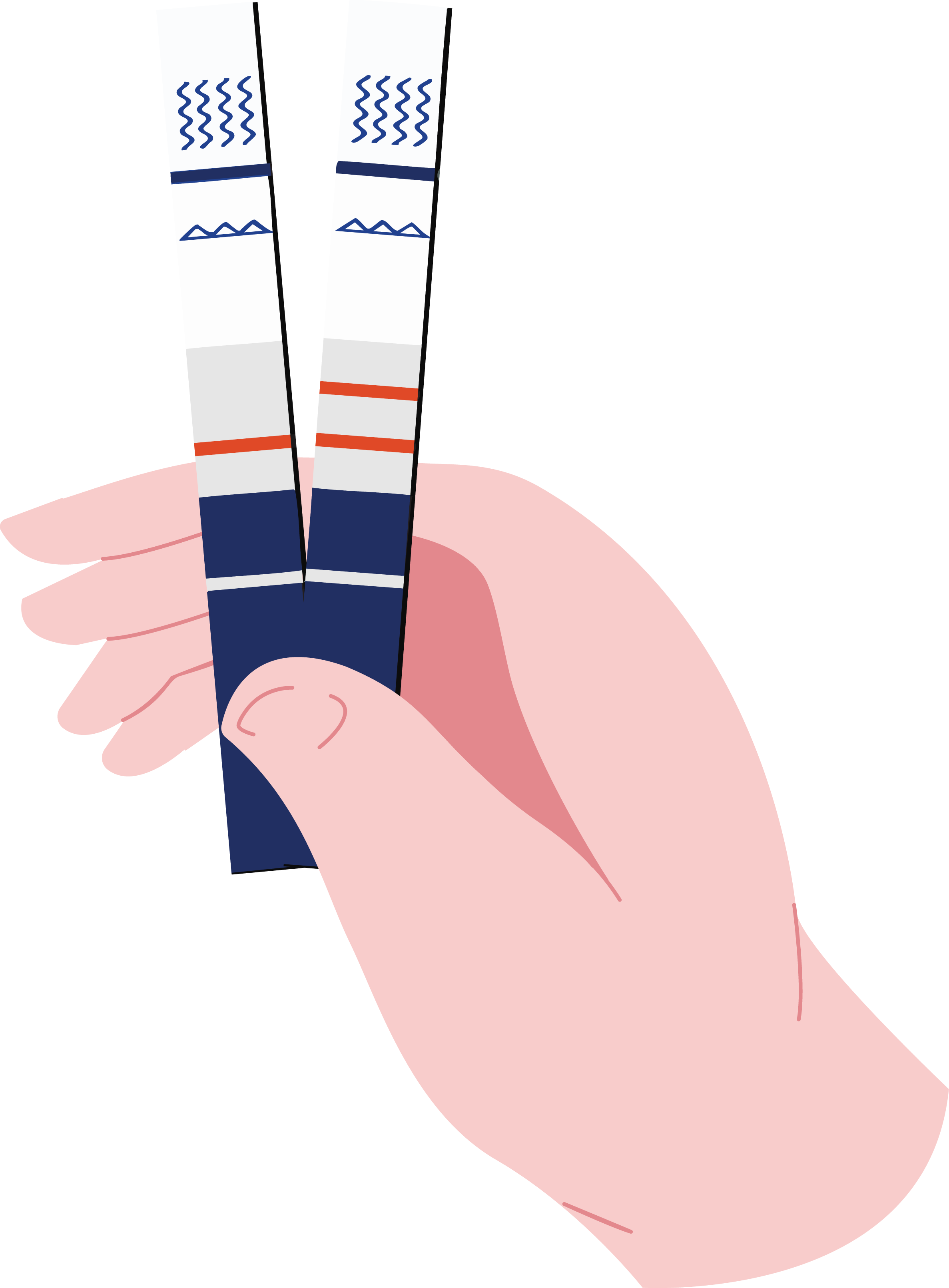
Fentanyl is a particularly strong opioid that can be dangerous in surprisingly small doses.
While fentanyl is used in medical settings, in recent years illicit fentanyl has been commonly added to other pills, powders, and crystal street drugs such as fake prescription pills, cocaine, and methamphetamine.
Fentanyl Test Strips can identify the presence of fentanyl in unregulated drugs and can test injectable drugs, powders, and pills. CHASCo can provide testing strips to our campuses on request.
Fake Pills
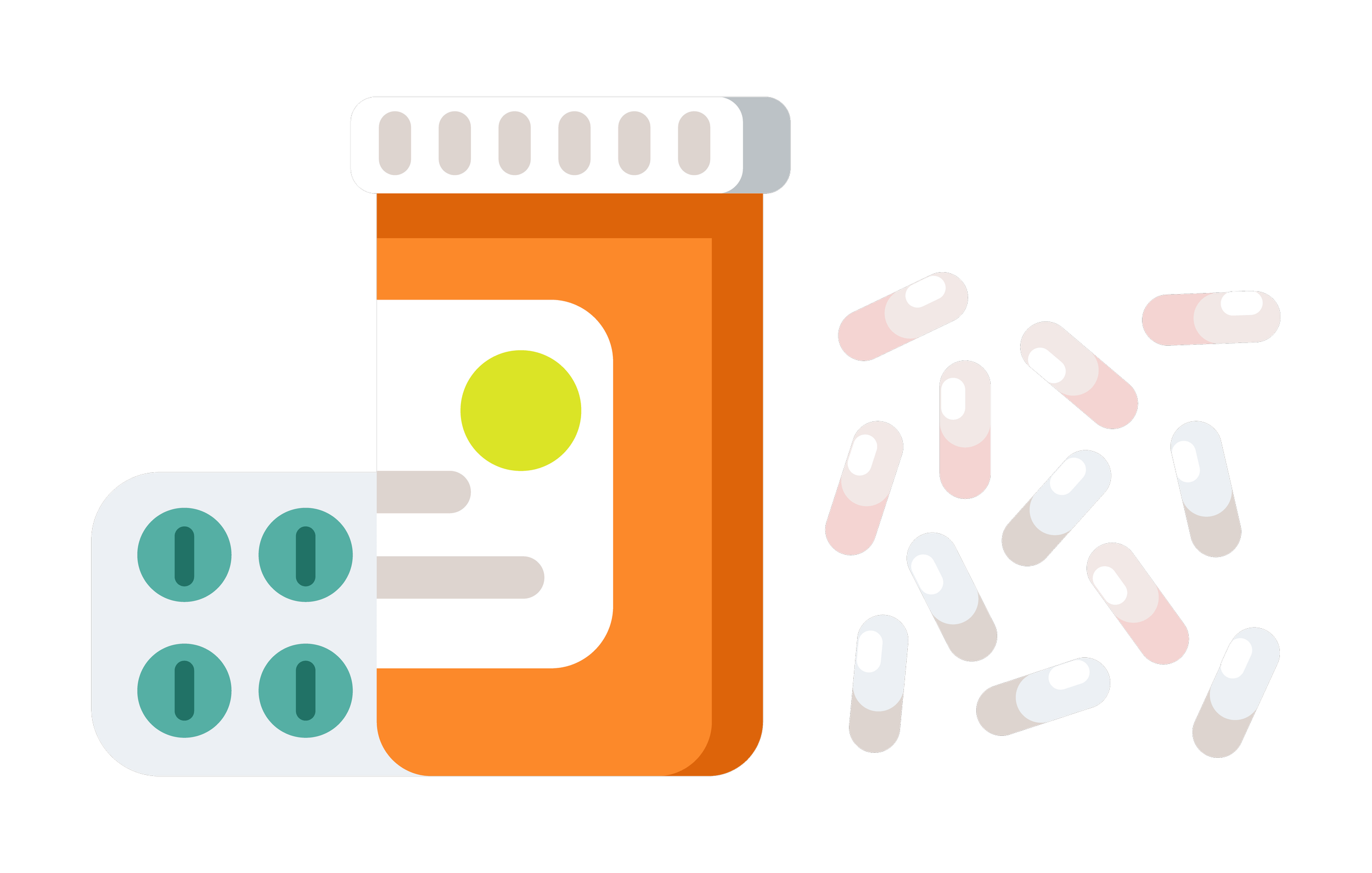
Many fake pills are made to look like prescription pills such as oxycodone, hydrocodone, and alprazolam (Xanax); or stimulants like amphetamines (Adderall).
DEA lab testing reveals that 5 out of 10 fake pills contain a potentially lethal dose of fentanyl.
(DEA Fake Pills Fact Sheet)
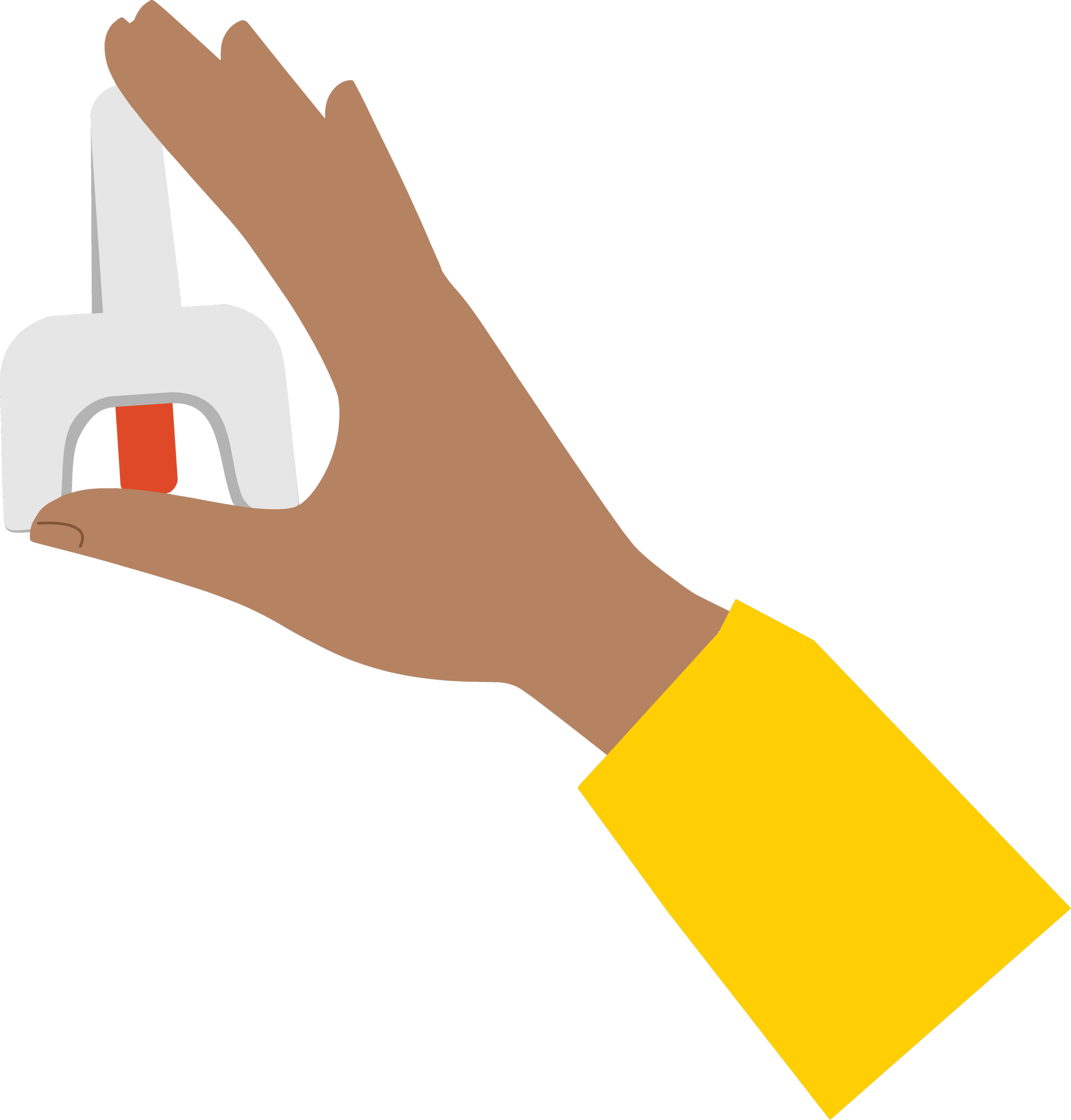
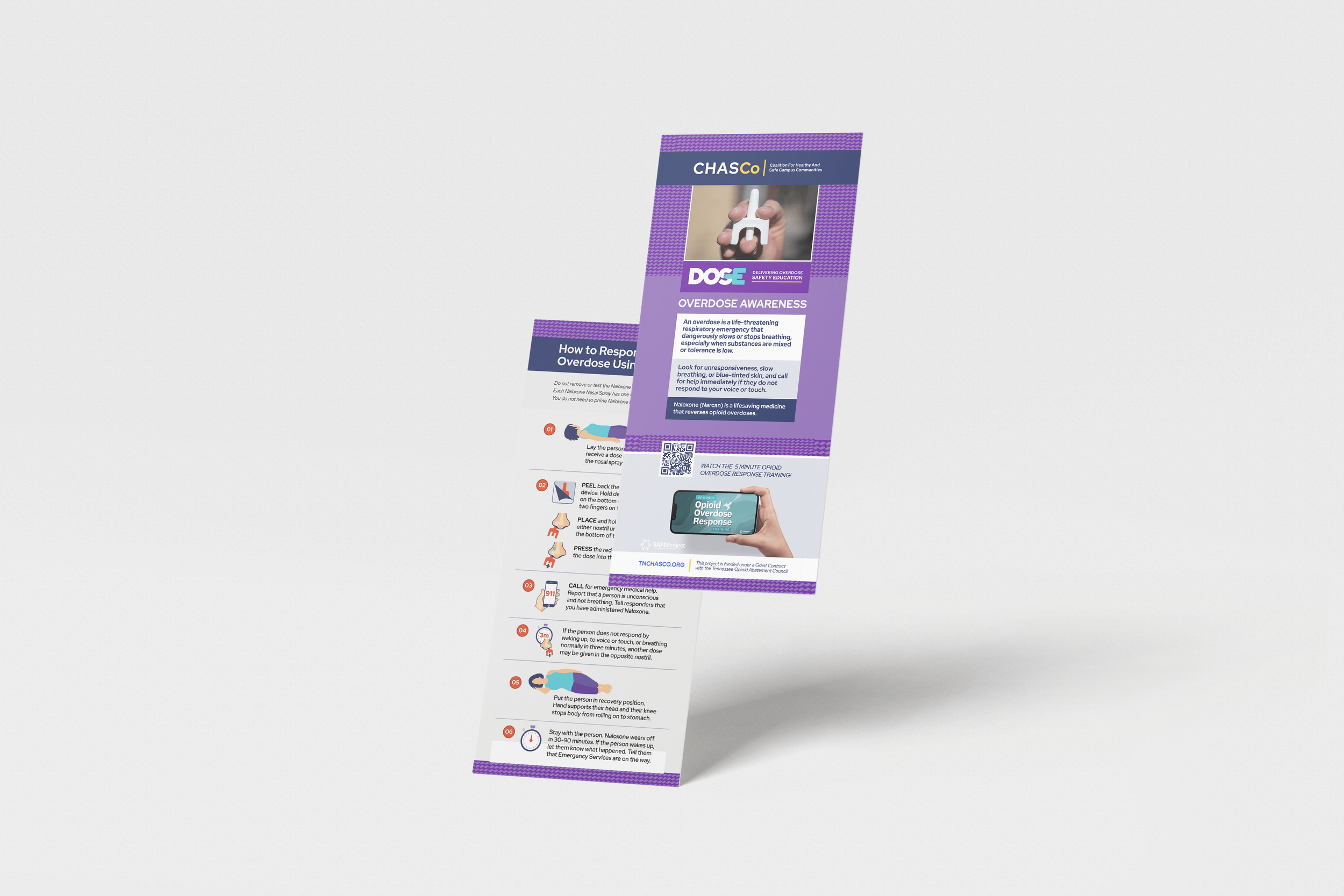
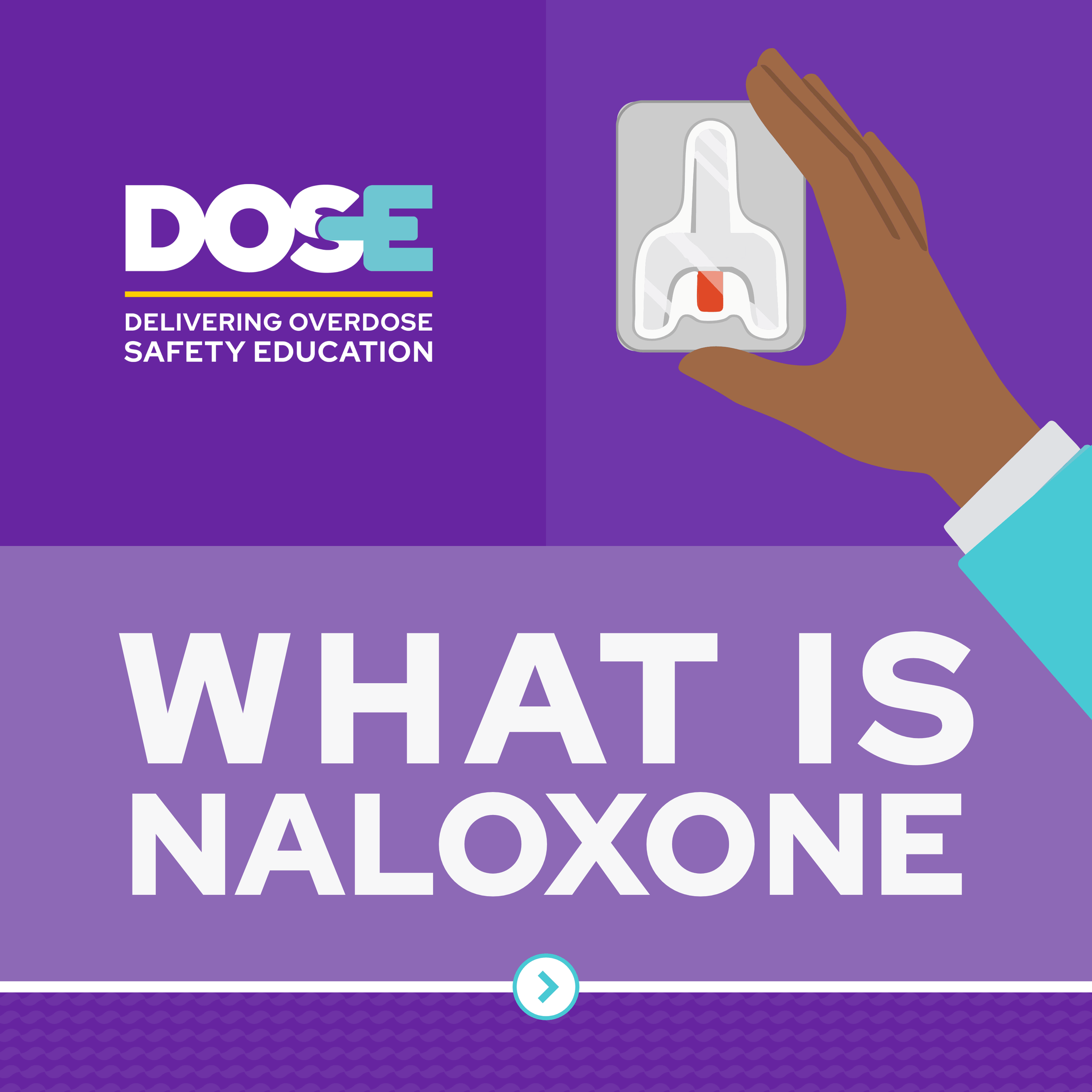
Naloxone (Narcan) is a lifesaving medicine that reverses opioid overdoses.
Before using, ask yourself
Are they breathing very slowly or not at all?
Are they nonresponsive?
Do they respond to your voice or touch?
If they are breathing and responsive, you don’t need to be immediately concerned about an overdose and using naloxone.
Naloxone
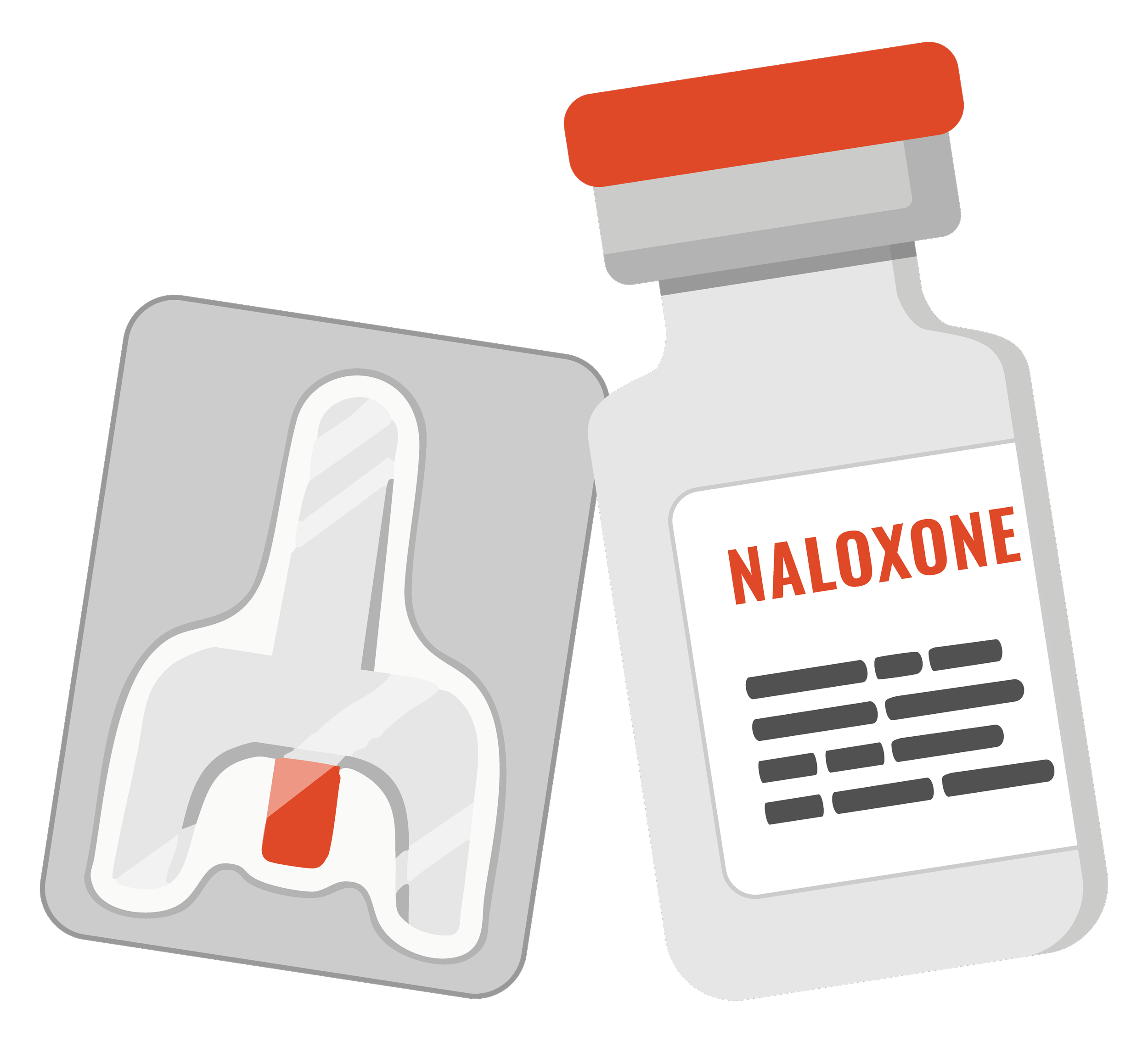
naloxone benefits
SAFE TO USE
It’s a simple nasal spray or injection that won’t harm someone if they aren’t actually overdosing.
EFFECTIVE
It works against even the strongest opioids if used in time.
IMPORTANT
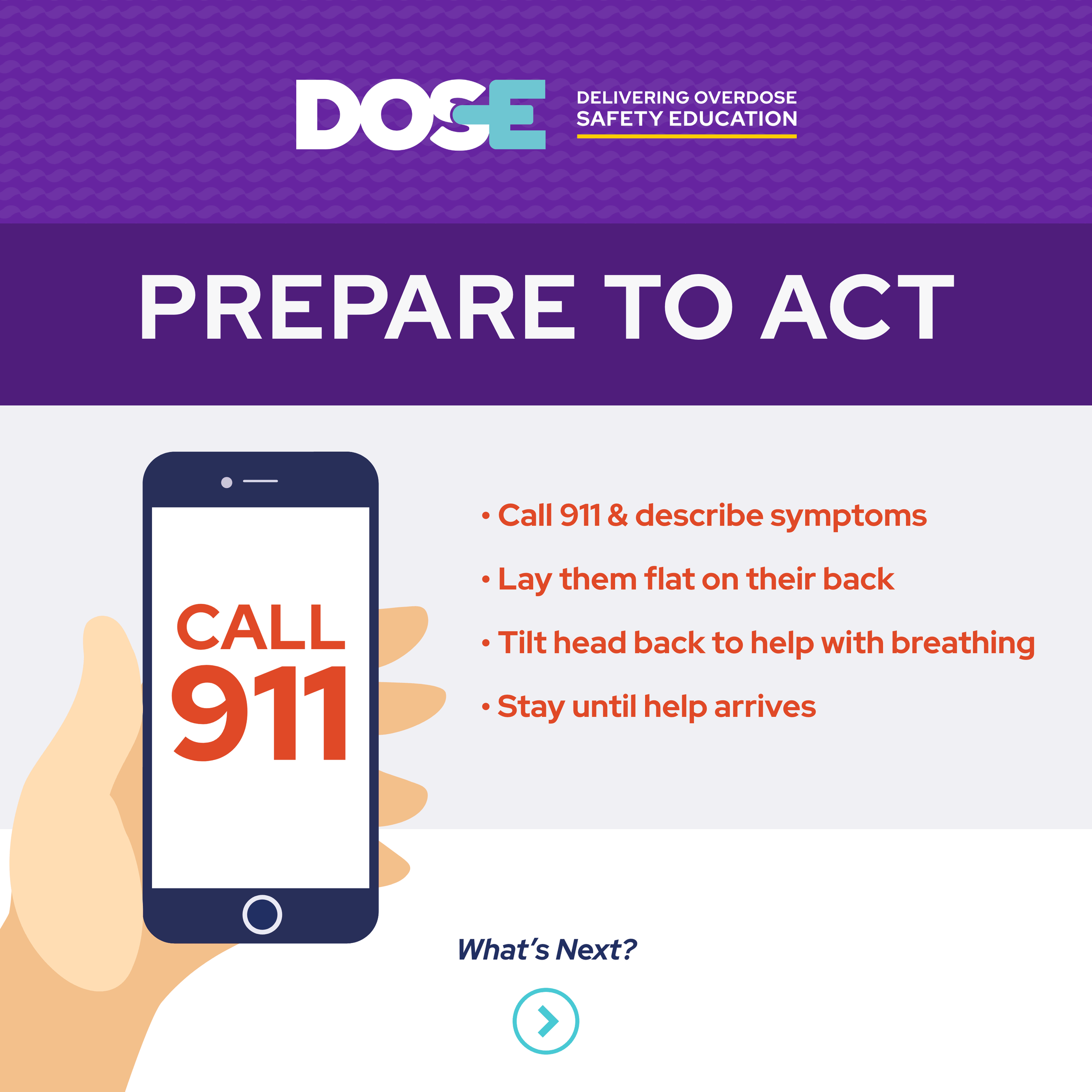
It wears off in 30–60 minutes, so call 911 immediately.
how to respond to an overdose
Keeping Each Other Safe
Make sure there’s always someone who can help

Try to avoid mixing substances

Carry naloxone and know how to use it
Discuss your safety plan, just in case
Find out where naloxone is available on your campus - it’s likely free

safety plan
Having a safety plan can help reverse the silence on the addiction epidemic. As a harm reduction tool, SAFE Project’s downloadable Safety Plan with tips can help individuals who use drugs prevent overdose. Display your safety plan where it is easily seen or accessible and give your safety plan to people you trust will use it.
TN GOOD SAMARITAN LAW
Don’t hesitate to call 911. If you seek medical help for an overdose in good faith, this law can protect you and the victim from arrest, charge, or prosecution for simple drug possession or paraphernalia. In Tennessee, saving a life is the legal priority.
CAMPUS MEDICAL AMNESTY
Most colleges have similar policies that protect students from disciplinary consequences when they report medical emergencies. Check your student handbook for your school’s specific rules.
Resources for Health & Safety
Help finding addiction treatment & support
800-889-9789
Emergency mental health hotline
Call or text 988
Overdose Prevention Lifeline
1-800-484-3731

Campus Overdose Prevention Resources
These free resources, created with funding from the Tennessee Opioid Abatement Council, are to be used as part of a coordinated state effort to prevent and reduce drug overdoses and other related consequences across the state.

We are partnering with SAFE Campuses to provide technical assistance to our campuses for building the infrastructure needed to provide effective overdose education and to distribute naloxone and testing strips.
Technical Assistance
We have received funding to develop overdose education materials tailored to a campus setting. We will work with campuses, students, and local experts to develop these materials over the next year.
Overdose Resources
We have received funding to provide naloxone and testing strips to our campuses at no cost.
Naloxone & Testing Strips

Getting Started!
Our partners at SAFE Campuses have developed a checklist of the basic building blocks of an effective prevention and response strategy. It is recommended to use this list as a starting point.

EDUCATIONAL RESOURCES from our partners
-
Regional Overdose Prevention Specialists (ROPS): are located throughout the state of Tennessee as a point of contact for training and education on opioid overdose and for overdose prevention through the distribution of naloxone. Connect with your ROPS Coordinator for education & resource opportunities.
-
TN Department of Mental Health & Substance Abuse Services: Naloxone Training Information.
-
SAFE Campuses: Opioid Overdose Response Module available online.
-
END OVERDOSE provides Overdose Response Training developed by and for students.
Ready to Use overdose prevention Resources
-
![]()
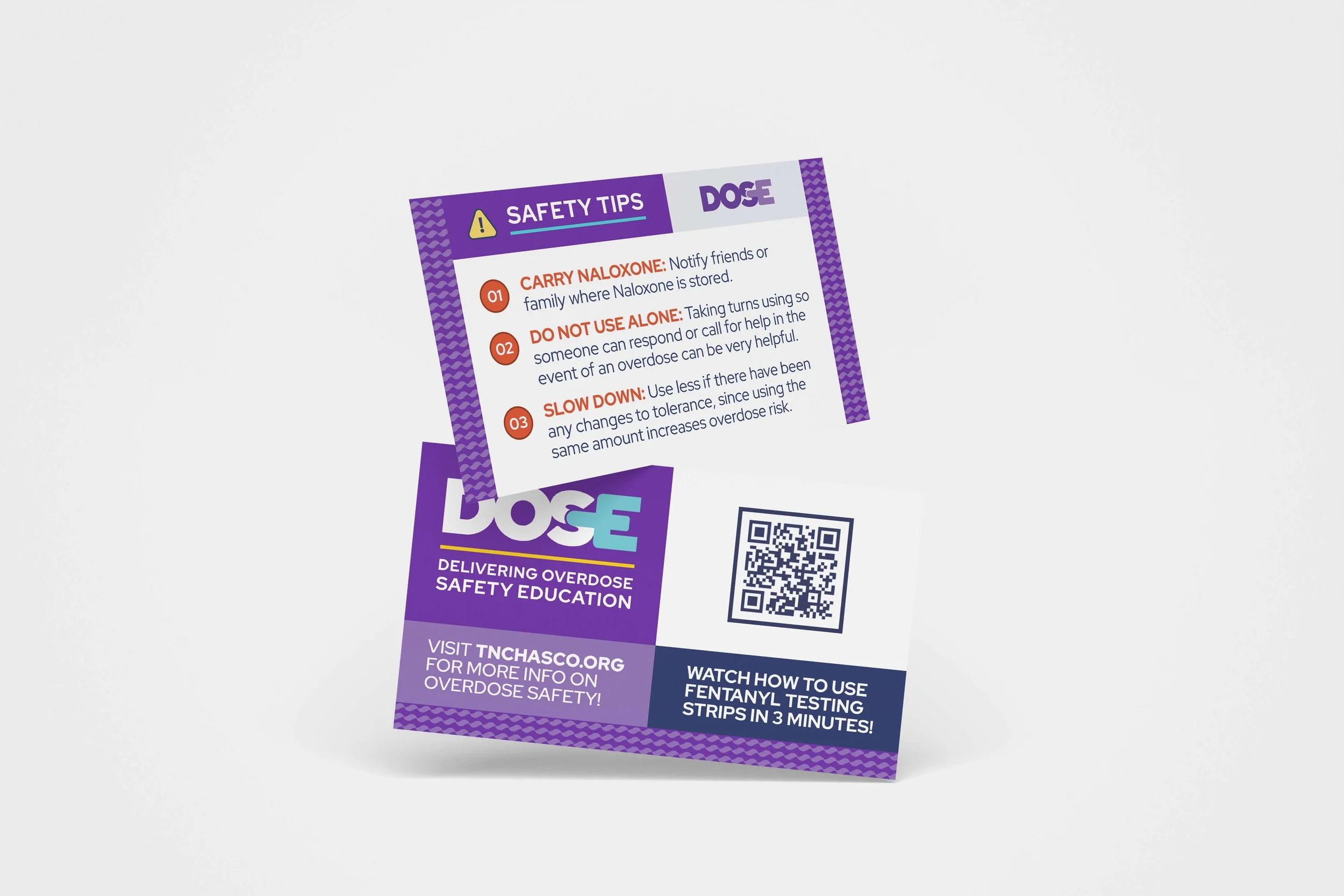
Safety Tips Card
Handheld Information Card
-
![]()
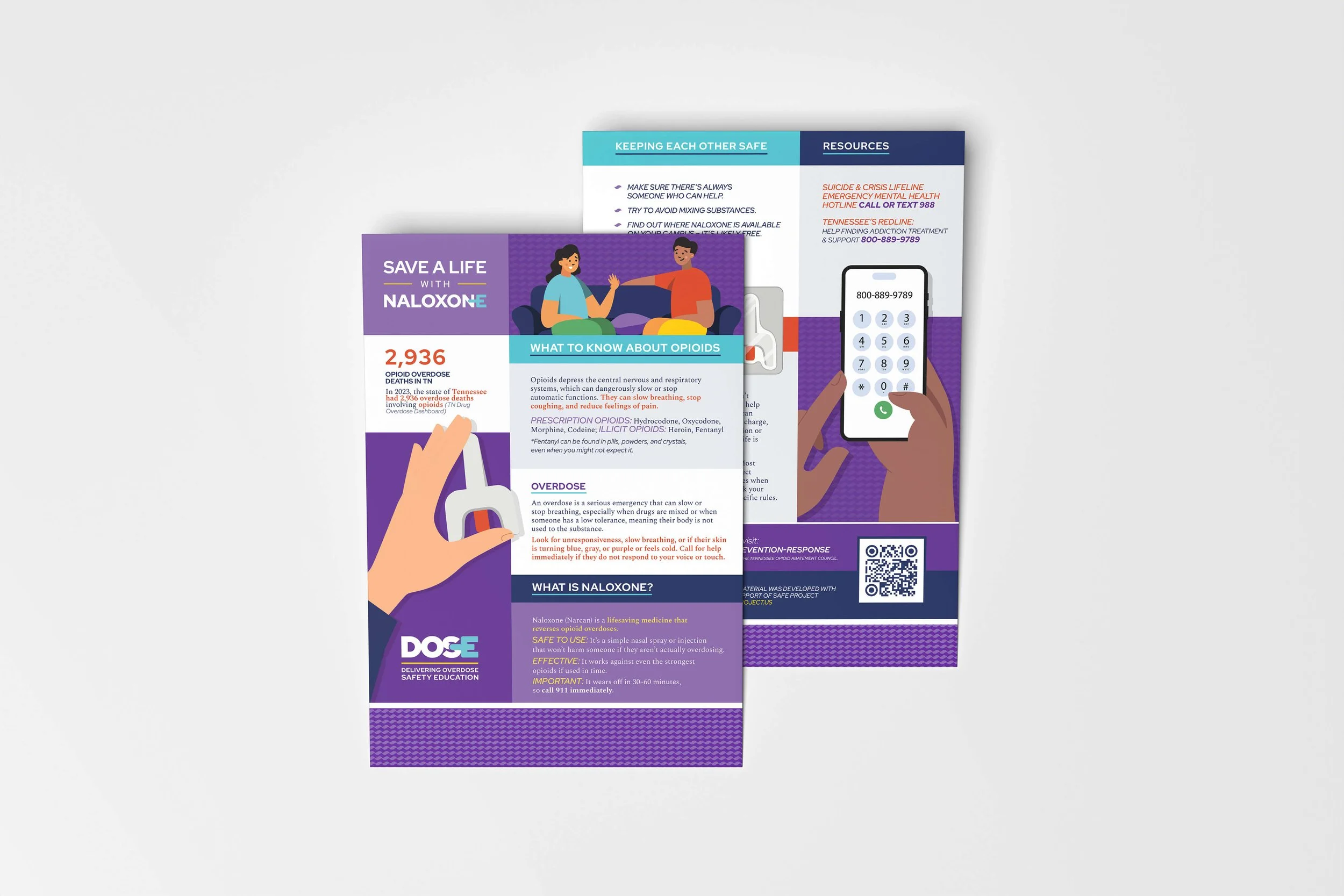
Save a Life with Naloxone
One-Page Flyer
-
![]()
How to Use Naloxone
Bi-Fold
view our social media campaign
View our other initiatives
-

Exploring the Intersection Between Substance Use & HIV
Assessing Risk and Resources
-

Reducing Impaired Driving
Developing Leaders and Implementing Safe Practices
-

Understanding and Preventing Cannabis Use and Addiction
Educating on Marijuana Risks